CEDIA 2026 gave the LIGHTWORKS team a closer look at what is next in residential lighting, automated shading, and smart home control. Across the show, one direction stood out: technology is becoming more closely connected to the design of the home.
Lighting fixtures and controls are working more cohesively. Automated window treatments are offering more flexibility in fabrics, hardware, and architectural integration. And the technology behind these systems is becoming easier to incorporate without competing with the design.
Here are a few of the lighting and shading innovations from CEDIA 2026 that caught our attention.
Lutron Orluna Brings Lighting and Control Closer Together
One of the standout lighting introductions was Lutron Orluna, making its North American debut at CEDIA 2026.
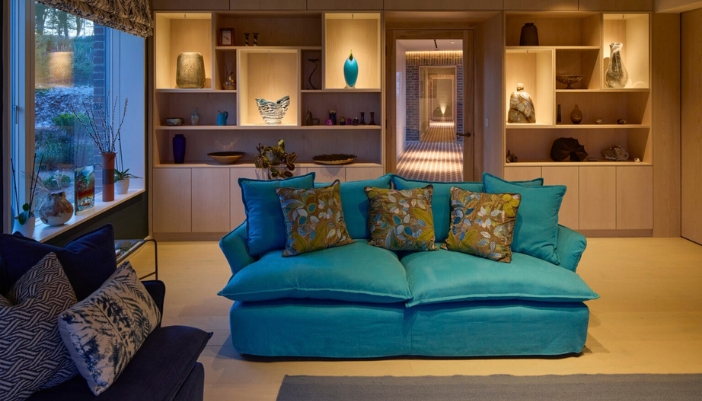
Lutron introduced its new Orluna lighting range, designed to work with RadioRA 3 and HomeWorks for more integrated lighting and control.
The architectural lighting collection expands the possibilities for approaching the fixture, quality of light, and control as parts of the same lighting experience. Instead of treating fixtures and control as separate decisions, they can be considered more cohesively from the beginning.
For LIGHTWORKS, this reflects an important direction in luxury residential lighting design. The best results come when lighting design and lighting control work together, allowing the fixtures, dimming, quality of light, and everyday control to support the architecture as one complete system.
New Ideas in Automated Shading
Shading was another area where design and integration came together in interesting ways at CEDIA 2026.
Lutron Palladiom Drapery stood out for bringing automated control into a more traditional drapery form. The system pairs the refined appearance of a drapery rod with quiet motorized movement, giving designers another way to incorporate automation while keeping the hardware intentional within the room.
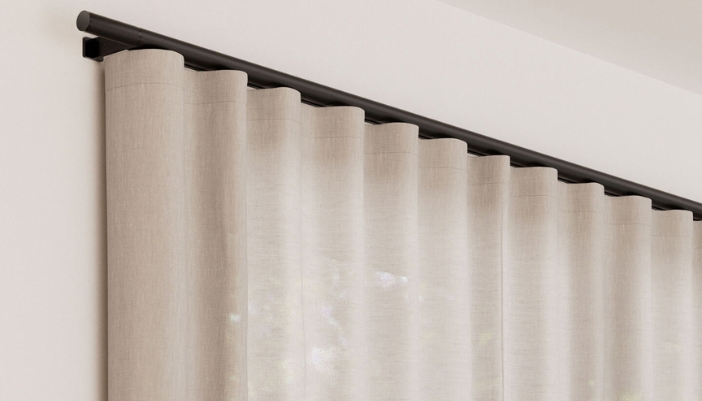
Lutron showcased its new Palladiom Drapery, pairing the look of a traditional drapery rod with quiet, automated control.
Crestron also introduced new shade fabrics, expanding the design possibilities for automated window treatments. More choices in texture, openness, and finish give designers greater flexibility to balance natural light, privacy, glare control, and the overall interior palette.
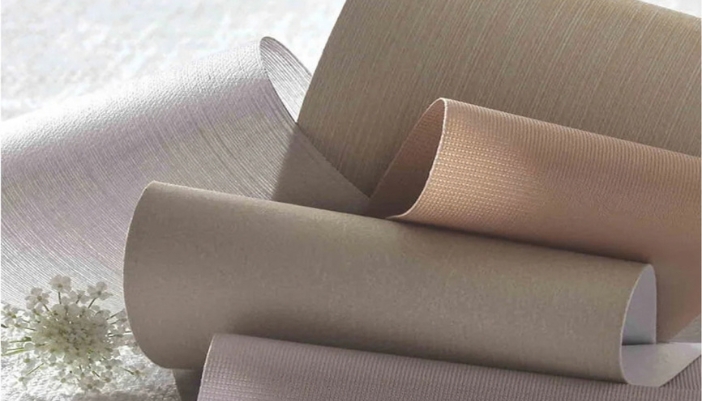
Crestron introduced a new range of shade fabrics, expanding the design options for automated window treatments.
New innovations in shade pockets were also a standout.
The team was especially impressed with Blindspace concealed shade pocket systems, which can be built into the ceiling, wall, or window reveal so the roller shade is completely hidden when raised. The systems are compatible with major shading platforms, including Lutron, Somfy, Crestron, and others, offering a clean architectural alternative to a traditional exposed shade pocket.
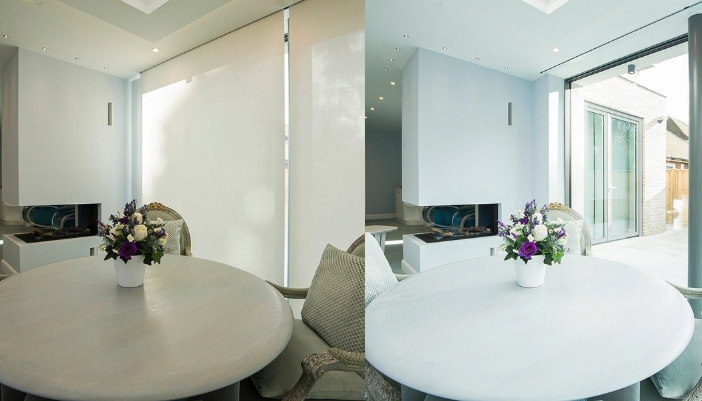
Blindspace concealed shade pockets allow roller shades to disappear into the ceiling, wall, or window reveal when raised.
Savant also introduced new shade pocket options designed to conceal automated shades within the architecture.
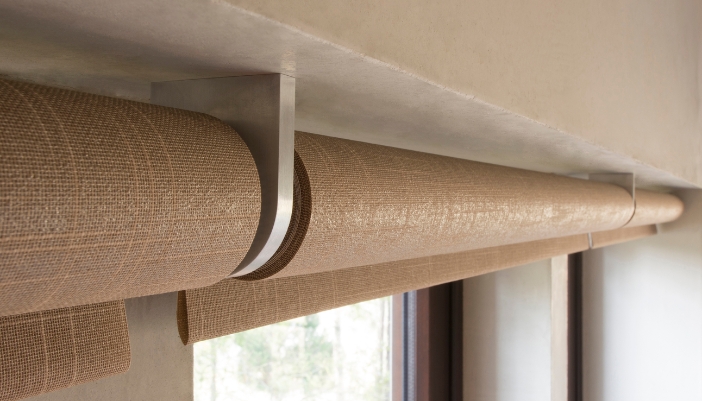
Savant introduced new shade pockets designed to conceal automated shades for a cleaner architectural finish.
Taken together, these introductions point to a broader shift in motorized shading. There are more ways to coordinate window treatments with the architecture, more design flexibility at the window, and more opportunities to make the technology disappear when it is not in use.
AI Is Beginning to Influence Home Control
Crestron also showcased new AI-powered home control capabilities, offering a glimpse at how artificial intelligence could play a growing role in the connected home.
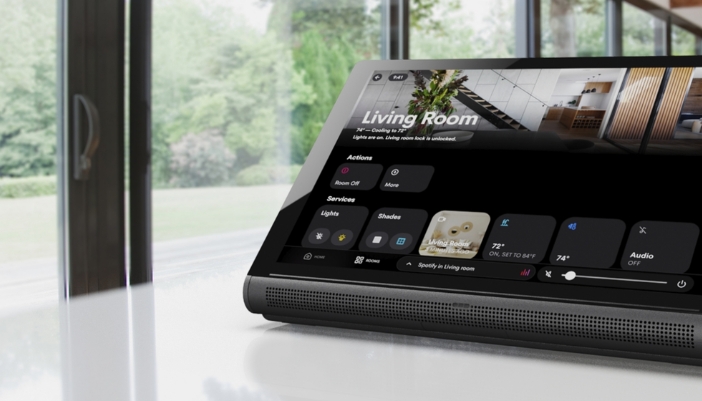
Crestron showcased new AI capabilities, giving our team a look at how AI could play a growing role in intelligent home control.
Lighting, shades, climate, and other systems can already respond to schedules, scenes, and homeowner preferences. AI introduces the possibility for those systems to become even more responsive to patterns and the way people actually use their homes.
For LIGHTWORKS, the value will ultimately come down to how useful and intuitive that intelligence becomes for the homeowner. It is an area we will continue watching as the technology develops.
What We’re Taking Away From CEDIA
What stood out most this year was how much attention manufacturers are giving to the relationship between technology and design.
Orluna brings architectural lighting and intelligent control closer together. New drapery, fabrics, and concealed shade pockets give designers more options at the window. Smarter control continues to expand what an integrated home can do behind the scenes.
For homeowners and design teams, that means more flexibility to make lighting, shading, and home automation feel intentional from the beginning rather than layered in later.
These are the kinds of developments we get excited about at LIGHTWORKS because they support the way we