There’s a noticeable difference between a home that is simply well-lit.
What most people do not see is that this kind of lighting does not come from fixtures alone. It comes from how everything is planned behind the walls.
Because when the electrical plan is right, lighting feels effortless. When it is not, even the best design struggles to work the way it should.
Light Is Felt Before It Is Seen
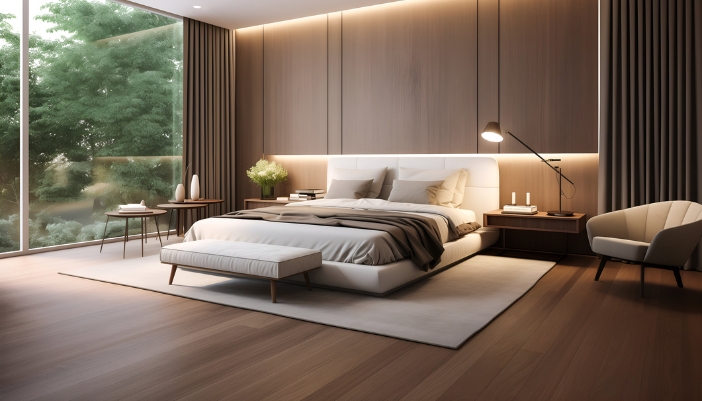
A well-lit home uses layers. General light to define the space. Focused light where it is needed. Subtle light to add depth and texture.
Electrical planning determines how lighting is grouped, how it is controlled, and how it responds as you move through the home. It is what allows lighting to feel calm instead of chaotic.
Without it, even the best lighting design can feel disconnected.
Where Things Start to Drift
When electrical planning is handled later in the project, lighting often becomes reactive.
Instead of shaping the space, it adapts to what is already built.
You start to see small compromises. Extra switches added where they were not originally intended. Fixtures placed to fill gaps instead of defining them. Controls that do not quite match how the space is used.
Over time, these small things affect the overall experience.
When the Foundation Is Right
When electrical planning is considered early, lighting has room to work the way it should.
You can define lighting zones based on how spaces are used, not just how they are wired. Controls can be simplified into fewer, more intuitive touchpoints. Systems can be prepared to work together from the start.
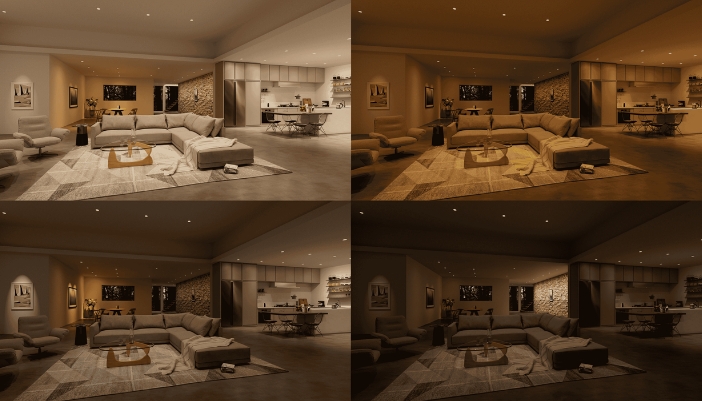
- Lighting can shift naturally from day to night
- Brightness levels feel consistent across spaces
- Controls feel familiar wherever you are in the home
- Lighting and shading respond together, not separately
Source: DMF Luxury
A Home That Feels Considered
In well-designed homes, there is a sense of ease.
You do not think about where switches are. You do not adjust lighting constantly. You do not notice the system.
Everything feels like it is already set the way it should be.
That level of ease comes from coordination. Lighting design, electrical planning, and system integration all working toward the same outcome.
Designing for Everyday Use

Source: Lutron
The way lighting behaves should reflect how a home is lived in. These are not features added at the end. They are outcomes of decisions made early in the process.
When electrical planning supports lighting design from the beginning, the home becomes more adaptable without becoming more complicated.
That balance is what defines a well-integrated space.
A More Thoughtful Way to Design Lighting
When lighting is done right, it becomes part of the architecture of the home. It shapes how spaces feel without ever needing attention.
That kind of result is not driven by fixtures alone. It comes from decisions made early, where electrical planning and lighting design are considered together, not separately.
This is what allows a home to feel balanced. Comfortable during the day. Calm in the evening. Easy to live in without constant adjustment.
At LIGHTWORKS, we work closely with homeowners, designers, and builders to ensure lighting and electrical planning are aligned from the beginning. The focus is not on adding more, but on getting it right.